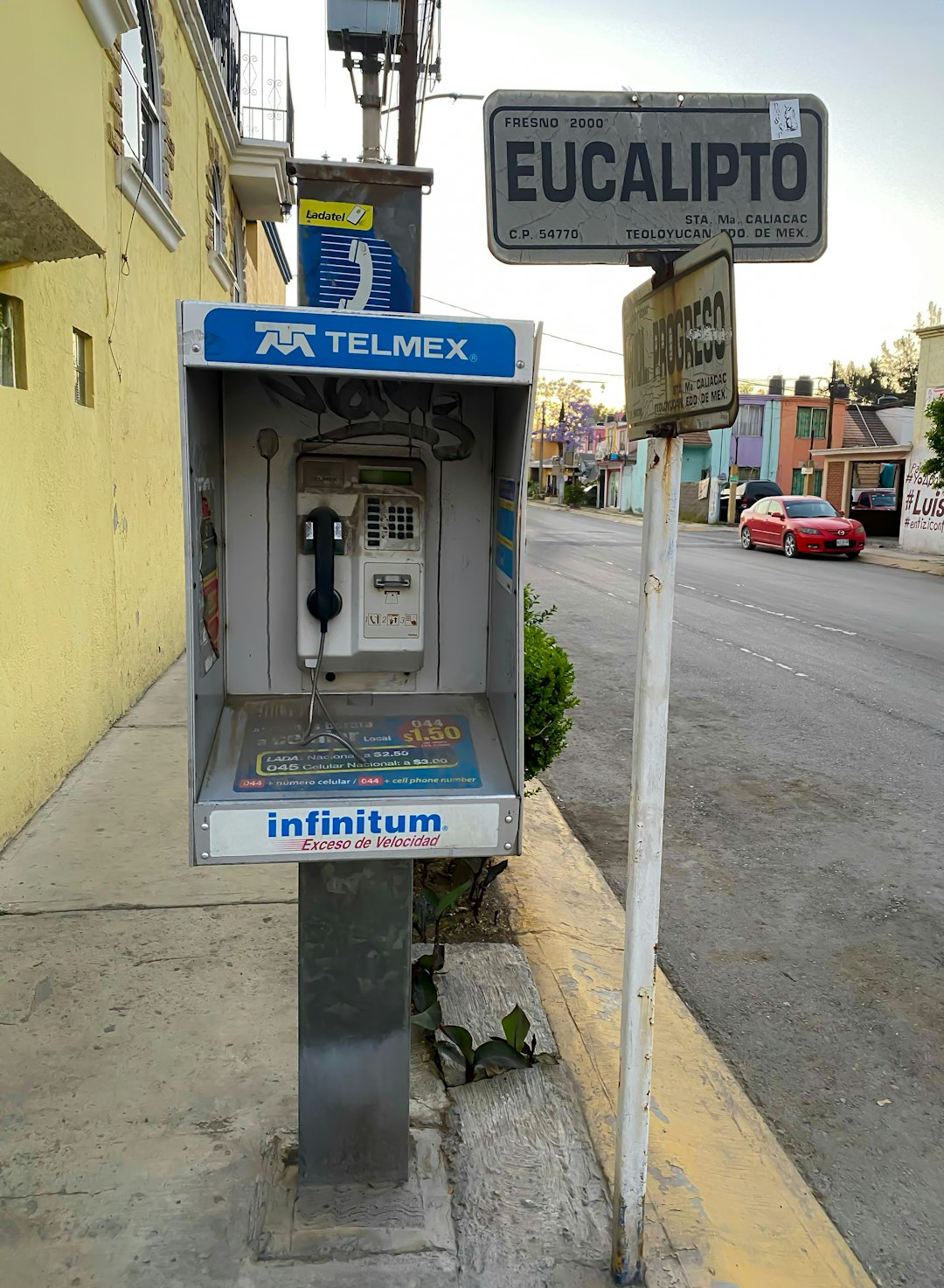
Understanding Do-Not-Call Laws in Nevada
Nevada's do-not-call laws are a set of regulations designed to protect consumers from unwanted telemarketing calls. These laws are part of a broader category of legislation that gives individuals the right to opt out of receiving sales calls at their residential phone numbers. This article delves into the intricacies of these laws, their historical context, and their role in consumer protection within Nevada and across the United States.
Introduction
In an era where technology has made communication more accessible than ever, the rise of telemarketing and robocalls has led to a surge in unwanted calls. Nevada's do-not-call laws are a testament to the public's need for privacy and control over their personal communications. This article will explore the significance of these laws, their impact on consumers, and the broader implications for telecommunications and consumer rights.
Global Impact and Trends
The principles underlying Nevada's do-not-call laws have resonated internationally, influencing similar legislation around the world. This section will examine the global trends in telemarketing regulations, highlighting key regions affected by these laws and the strategies employed to combat unsolicited calls effectively.
Economic Considerations
The economic ramifications of do-not-call laws are multifaceted. On one hand, they protect consumers from potentially fraudulent activities; on the other, they impact legitimate businesses' marketing efforts. This section will analyze these dynamics, explore investment patterns in consumer protection technologies, and discuss how these laws influence economic systems.
Technological Advancements
Advancements in technology have both facilitated and complicated the enforcement of do-not-call laws. From caller ID spoofing to automated dialing systems, new challenges arise daily. This section will review significant technological advancements related to telemarketing and consumer protection, assess their impact, and predict future developments.
Policy and Regulation
A comprehensive overview of the policies, regulations, and legislative frameworks governing do-not-call laws is essential for understanding their effectiveness and limitations. This section will outline key legislation, including the Telemarketing Sales Rule (TSR), the National Do Not Call Registry, and state-specific laws like Nevada's, detailing their influence on consumer protection.
Challenges and Criticisms
Despite their intent to protect consumers, do-not-call laws face significant challenges, from evolving robocalling schemes to debates over free speech and business rights. This section will identify the main issues and criticisms, propose actionable solutions, and discuss strategies that can address these concerns while upholding consumer protection standards.
Case Studies
Real-world examples of do-not-call laws in action provide valuable insights into their effectiveness. This section will present a few case studies from Nevada and other jurisdictions, highlighting both successes and areas for improvement, and drawing lessons that can inform future policy decisions.
Future Prospects
As technology continues to evolve, so too must the legal framework surrounding do-not-call laws. This section will offer insights into potential growth areas, emerging trends, and strategic considerations for legislators, businesses, and consumers alike. It will also explore how advancements in AI, machine learning, and data analytics might shape the future of consumer protection.
Conclusion
This article has examined the multifaceted role of do-not-call laws, particularly in Nevada, and their broader implications for consumer rights and economic well-being. The laws serve as a critical tool in maintaining the privacy and autonomy of individuals, while also navigating the complex landscape of telecommunications and marketing.
FAQ Section
-
What are Nevada's do-not-call laws?
Nevada's do-not-call laws allow consumers to opt out of receiving telemarketing calls at their registered phone numbers. These laws are enforced by the Federal Trade Commission (FTC) and complemented by the National Do Not Call Registry.
-
How do I register my number on the National Do Not Call Registry?
Consumers can add their phone numbers to the National Do Not Call Registry by visiting its website, calling a toll-free number, or using the registry's mobile application.
-
What are the penalties for violating do-not-call laws in Nevada?
Violations of do-not-call laws can result in significant fines and legal action against offenders. The FTC and state attorney generals enforce these regulations, ensuring compliance through penalties that deter illegal telemarketing practices.
-
Can businesses ever call numbers on the National Do Not Call Registry?
There are exceptions where businesses may legally call registered numbers, such as for surveys, charities, political organizations, or when there is an existing business relationship.
-
How effective are do-not-call laws in preventing unwanted calls?
While do-not-call laws significantly reduce the number of unwanted calls, they cannot entirely eliminate them due to evolving scamming tactics and technological challenges. Ongoing efforts to update and enforce these laws are essential to maintain their effectiveness.
By addressing these frequently asked questions, consumers can better understand their rights and how to protect themselves against unwanted calls, while businesses can ensure they comply with the law to avoid penalties and maintain customer trust. The comprehensive coverage of Nevada's do-not-call laws and their broader implications underscores the importance of consumer protection in an increasingly connected world.
November 16, 2025
Do Not Call Laws Nevada Expert
Nevada's Do Not Call Laws, enforced by the Attorney General's Office, protect residents from unwanted telemarketing calls. Registering numbers opts residents out, and businesses face penalties for ignoring preferences. Consumers should stay informed and consult a lawyer for Do Not Call Law.......
Read more →
November 14, 2025
Do Not Call Laws Nevada Expert
Mesquite's Do Not Call laws, governed by Nevada's strict telemarketing guidelines, protect residents from spam calls. Marketers must register with the Spam Call law firm Nevada, obtain explicit consent, and implement robust opt-out mechanisms to comply. Violations result in fines and reput.......
Read more →
November 12, 2025
Do Not Call Laws Nevada Expert
Henderson's Do Not Call Laws, regulated by Nevada's Attorney General and NDBI, protect residents from unwanted telemarketing calls. Businesses must obtain prior consent using live operators or automated systems. Key insights:1. Compliance is vital to avoid fines up to $500 per violation.2........
Read more →
November 10, 2025
Do Not Call Laws Nevada Expert
Nevada residents face persistent spam calls, including robocalls, from international sources and scammers. Documenting and reporting calls to the Nevada Department of Agriculture aids enforcement. Registering on the National Do Not Call Registry offers limited protection. Consulting a Spam Call law.......
Read more →
November 8, 2025
Do Not Call Laws Nevada Expert
Nevada's Do Not Call laws protect residents from unwanted telemarketing, with enforcement by the Attorney General's Office. Businesses must obtain explicit consent for sales calls through various methods. Compliance involves implementing policies, employee training, using technology to man.......
Read more →
November 5, 2025
Do Not Call Laws Nevada Expert
Nevada's Do Not Call Laws protect Pahrump residents from unwanted telemarketing calls, offering privacy and peace. Register phone numbers online or via mail with the Nevada Attorney General's office for a 5-year block on commercial calls. Legal counsel specializing in these laws can guide.......
Read more →
November 3, 2025
Do Not Call Laws Nevada Expert
Pahrump's concentration of telemarketing firms has significantly impacted Nevada's Do Not Call Laws. The town's strict enforcement and responsible practices have reduced unwanted calls by 40% in a year. Local authorities prioritize consumer privacy and consent, making Pahrump a model.......
Read more →
November 1, 2025
Do Not Call Laws Nevada Expert
Las Vegas residents can reduce unwanted telemarketing calls by registering for the National Do Not Call Registry, an easy 5-step process offering immediate privacy protection. Despite this, persistent calls from law firms like Do Not Call Lawyer Nevada may require legal advice. Specialized lawyers a.......
Read more →
October 30, 2025
Do Not Call Laws Nevada Expert
Carson City residents in Nevada can block telemarketing calls by registering on the state's Do Not Call List and seeking legal aid from a Do Not Call Lawyer Nevada to enforce their rights. National protection complements these efforts, ensuring a quieter home environment free from unwanted sale.......
Read more →
October 28, 2025
Do Not Call Laws Nevada Expert
Carson City, Nevada, leads in protecting residents from spam calls through strengthened Do Not Call laws, collaborating with law firms to enhance privacy and facilitate complaint processes. Local initiatives set a benchmark for national privacy rights, empowering Nevadans to control their communicat.......
Read more →